

Nicotine pouches may be considered haram if they cause harm to the body or contain intoxicants. Islamic scholars differ, but many view harmful or addictive substances as impermissible under Islamic law. Final rulings often depend on individual scholars' interpretations and the health impact.
This guide will further elaborate on the complete Islamic perspective on nicotine pouches. We'll cover specific rulings for popular brands, Ramadan factors, and halal alternatives that align with your faith.
Table Of Contents
Quick Answer: Are Nicotine Pouches Haram?
Public opinion is split on whether nicotine pouches are haram. At the very least, they are classified as "makruh" (discouraged) by many scholars, but not forbidden.
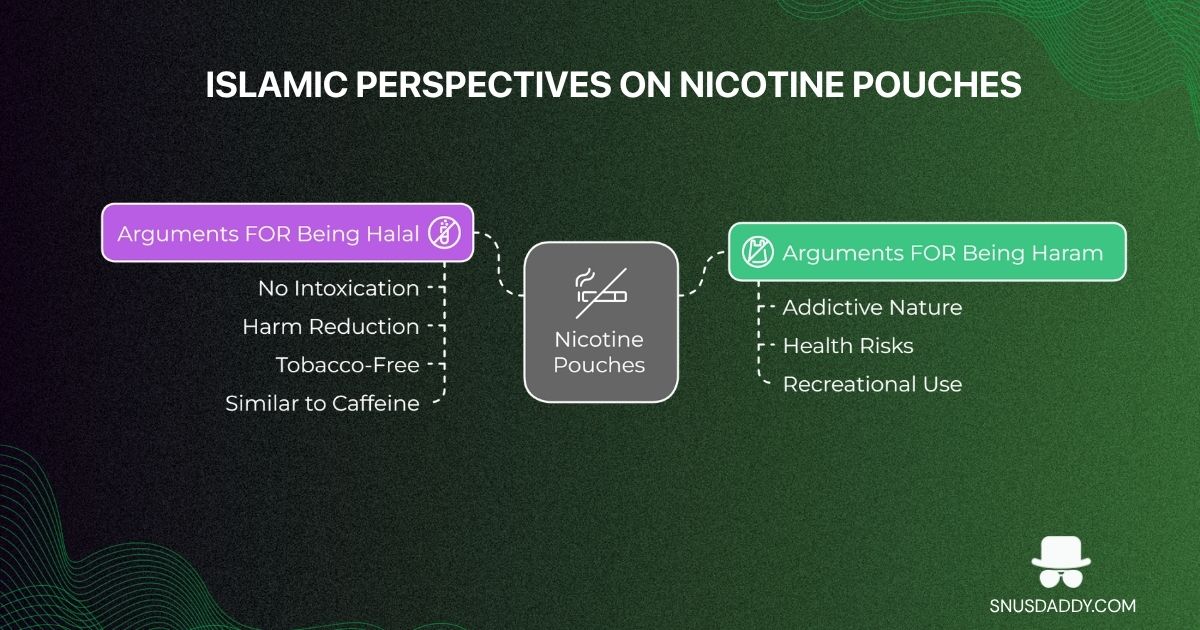
Arguments FOR Being Haram
Some Islamic scholars worry about nicotine pouches for these reasons:
- Addictive nature: Islam values self-control. Anything that creates dependency can conflict with this principle.
- Health risks: Nicotine affects your heart and blood pressure, among other potential side effects. Some scholars classify all harmful substances as forbidden.
- Recreational use: Using these products for fun rather than medical reasons raises questions about necessity.
Finally, the Quran states: “And do not let your own hands throw you into destruction” (Al-Baqarah 2:195), which scholars interpret as a prohibition against self-harm. Since nicotine pouches can cause health issues and addiction, their use is discouraged but not outright forbidden.
Arguments FOR Being Halal
Other scholars see nicotine pouches differently:
- No intoxication: Unlike alcohol and drugs, they don't impair your judgment or change your consciousness. You stay fully aware and in control.
- Harm reduction: They help people quit cigarettes, which are universally viewed as haram.
- Tobacco-free: The main danger in traditional tobacco products comes from the tobacco leaf itself, whereas nicotine pouches contain none.
- Similar to caffeine: Both are stimulants, but caffeine is widely accepted in Islamic communities
Are Specific Brands Haram? ZYN, VELO, and Snus
Let's examine the most popular products and answer whether each is haram from an Islamic perspective.
Are ZYNs Haram?
ZYN nicotine pouches are not haram according to most Islamic scholars, but they are makruh (discouraged). These Swedish-made pouches contain synthetic nicotine but no tobacco leaf.
Many Muslim users choose ZYN as a harm reduction tool when quitting cigarettes. Its tobacco-free formulation means they avoid the primary health risks associated with tobacco use, though the addictive potential of nicotine still raises concerns among some scholars.
Is VELO Haram?
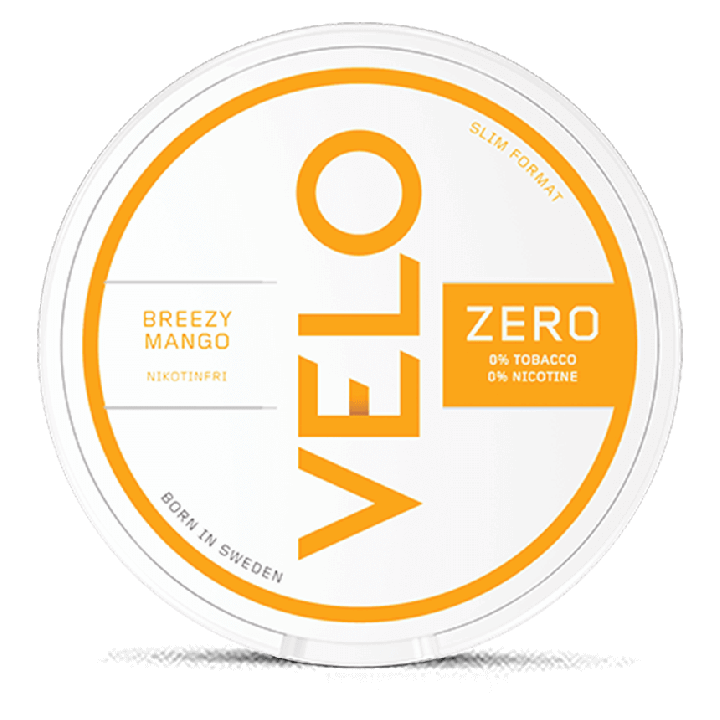
VELO products have the same Islamic status as ZYN: makruh, but not haram. VELO Crispy Peppermint and other VELO varieties are popular in Muslim communities across the UAE and Qatar.
VELO also offers nicotine-free options that are clearly halal, providing Muslims with completely permissible alternatives that satisfy oral habits without any questionable substances.
Is Snus Haram?
Traditional snus is generally considered haram by Islamic scholars. Unlike nicotine pouches, snus contains tobacco leaf, creates stronger addiction, and poses higher health risks.
Most Islamic authorities discourage or prohibit snus use due to its tobacco content and associated health dangers. The tobacco component puts snus clearly in the harmful substance category that Islamic law seeks to avoid.
This distinction explains why questions like "are ZYNs haram" and "is VELO haram" receive different answers than "is snus haram." The presence of tobacco makes the religious ruling much clearer.
Islamic Legal Foundation & Scholarly Perspectives
Unlike cigarettes, which have clear fatwas against them, nicotine pouches exist in a gray area.
The four main schools of Islamic law (Hanafi, Hanbali, Maliki, and Shafi'i) may approach nicotine products differently, but specific rulings on modern nicotine pouches are limited. Most contemporary Islamic scholars are still developing positions on these tobacco-free products.
As a result, the scholarly consensus leans toward "use with caution" rather than outright prohibition. This reflects the complex balance between personal health, addiction worries, and religious principles.
Different regions show varying acceptance levels. In countries with traditional tobacco use, like Pakistan and Bangladesh, religious authorities often take more flexible approaches to harm reduction alternatives.
Health, Addiction & Harm Reduction from an Islamic Perspective
Islam teaches the principle of choosing the lesser of two evils when both options involve some harm. This concept becomes important when comparing nicotine pouches to traditional nicotine products.
New research from 2024 proves that nicotine pouches are much safer than cigarettes. People who switched from smoking to pouches had 91% fewer dangerous chemicals in their blood.
These pouches still contain nicotine and can be addictive, but they remove most of the cancer-causing toxins found in cigarettes. For Muslims who can't quit nicotine completely, pouches offer a much less harmful option.
Some Islamic scholars see it as moving toward better health, which aligns with Islamic values of protecting your body. However, addiction itself raises religious worries. Islam emphasizes self-control and avoiding dependence on worldly substances. Long-term nicotine use can conflict with these principles.
The anxiety and mood effects some users experience also matter religiously. If nicotine affects your mental state negatively, it moves closer to the "harmful substance" category.
Medical necessity changes the equation completely. If a doctor prescribes nicotine replacement therapy, Islamic law generally permits it as treatment.
Questions Muslim Users Must Ask Before Using Nicotine Pouches
Before using nicotine pouches, ask yourself these questions:
- Are you using them to quit smoking or for recreation? Smoking cessation has stronger religious justification than recreational use.
- How do they affect your prayer and spiritual life? If they help you focus or reduce smoking-related health issues, the benefit might outweigh worries.
- Can you maintain self-control? If you find yourself unable to stop or constantly increasing usage, reconsider your relationship with these products.
- What does your local religious authority say? Imam and scholar opinions in your community should carry major weight in your decision. They can provide guidance based on your personal circumstances and local interpretations.
Depending on your answers above, you should be able to decide whether using nicotine pouches is the best thing for you.
Halal Alternatives & Transition Strategies
At the same time, you really don’t have to use nicotine pouches, since it may put your faith at risk.
As an alternative, try nicotine-free options like VELO and similar products. They satisfy oral habits without any questionable substances. These represent the safest choice from an Islamic perspective.
Based on sales data from Muslim-majority regions:
- VELO Crispy Peppermint - Clean mint flavor, moderate strength
- ACE X Cosmic Cool Mint - Strong cooling effect
- ON Berry - Fruity option with lower nicotine content
- Any tobacco-free nicotine pouches from reputable brands (we’ve also narrowed down the best tobacco-free nicotine pouches for your choosing!)
When choosing products, prioritize lower nicotine strengths and established brands with transparent ingredients.
Another option is to consume foods that naturally contain tiny amounts of nicotine. Tomatoes, eggplants, and potatoes won't satisfy cravings, but these natural alternatives are completely halal options.
Herbal pouches and mint products can help with oral fixation during the quitting process.
Finally, connect with other Muslims working to quit smoking or reduce nicotine dependence. Shared goals and Islamic motivation make the process easier.
Many mosques offer support groups for breaking harmful habits. These combine religious guidance with practical advice.
Are Nicotine Pouches Haram FAQs
Are nicotine patches halal or haram?
Nicotine patches are generally considered halal if used for medical purposes like quitting smoking. Since they do not intoxicate and are used therapeutically, many scholars permit them. However, misuse or recreational use without medical need may alter the ruling depending on intent and context.
Is vaping haram?
Vaping is considered haram by many scholars due to its health risks, addictive properties, and resemblance to smoking. Islamic rulings often prohibit substances that harm the body or cause addiction. The prohibition is stronger if the vape contains nicotine or harmful chemicals.
Is zero-nicotine vape halal?
Zero-nicotine vape may be considered halal by some scholars because it lacks intoxicants and addictive substances. However, concerns remain over potential health risks and imitation of haram behavior. Rulings vary, and some scholars still discourage it due to its similarity to smoking.
Is nicotine haram hanafi?
In the Hanafi school, nicotine is generally not considered haram by itself, but may become haram when it causes harm or addiction. The Hanafi approach emphasizes harm prevention, so if nicotine use leads to significant health issues, it may be ruled haram under those conditions.
Should You Still Use Nicotine Pouches?
While nicotine pouches are neither haram nor halal according to official rulings, use them thoughtfully, especially if you’re trying to quit smoking. They represent a middle ground between harmful cigarettes and complete nicotine freedom.
For recreational users, think about whether these products align with Islamic principles of self-control and body protection.
Most importantly, consult your local religious authority. They understand your community's specific interpretations and can provide personalized guidance.
Remember: the path toward better health and stronger faith often involves gradual steps. Whether you choose to use nicotine pouches, transition to nicotine-free options, or quit completely, make your decision with Islamic principles and community guidance in mind.
